
This year, we gather for the 2026 Architectural Dinner in the historic Union Trust Building. Originally part of a tripartite composition designed by architect Willis G. Hale in 1888, the building underwent significant renovations—including a new facade and roof modifications—led by renowned architect Paul Philippe Cret. Today, while the exterior still boasts Classical Revival details,

Brent Leggs is the eleventh President and CEO of the National Trust for Historic Preservation and has served in the role since 2026. Brent has been with the National Trust for over twenty years, most recently as the founding executive director of its African American Cultural Heritage Action Fund, which has raised over $200 million for
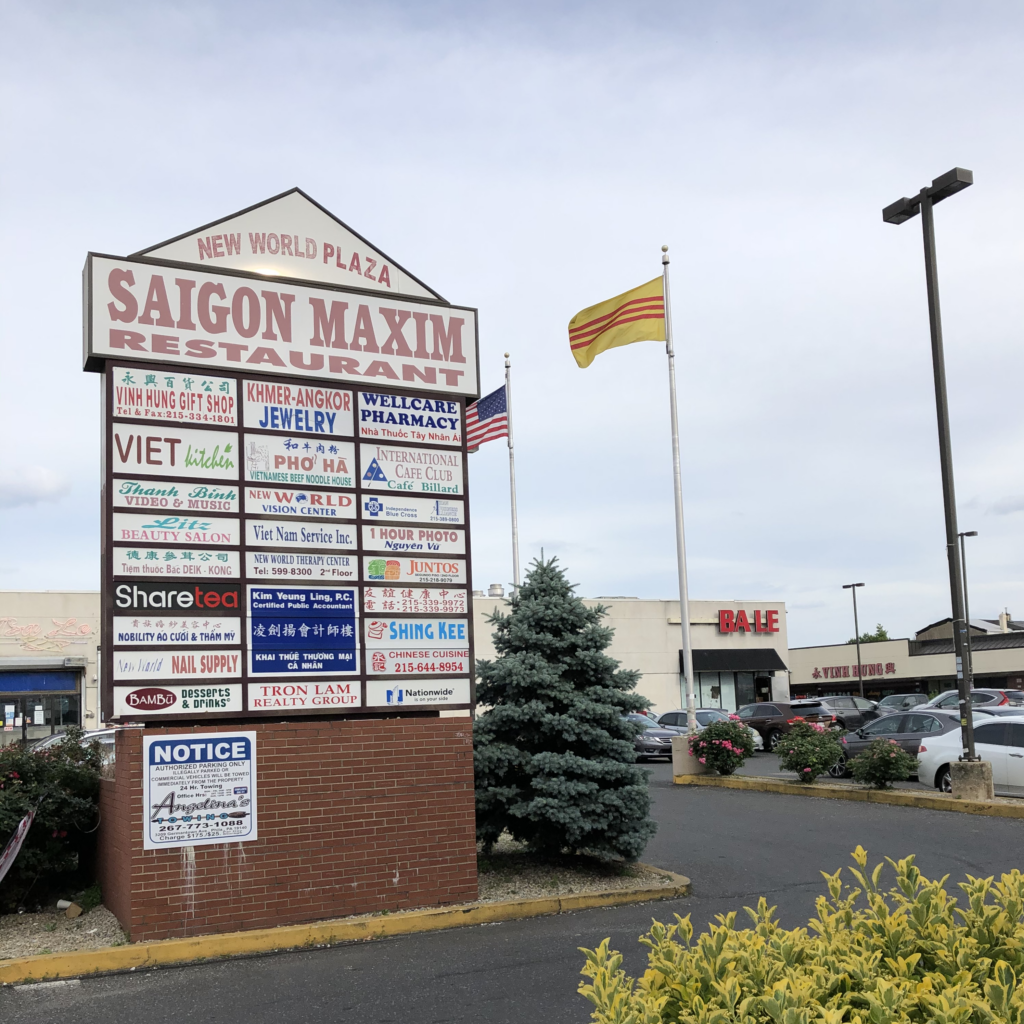
Migration to Philadelphia has produced iconic neighborhoods, commercial corridors, and monuments in various parts of our city and region, at different points in history. This talk will explore the formation, evolution, and preservation of places from Center City to South, Southwest, and other parts of Philadelphia, tracing the impacts of migrant communities on the city

To help reduce the massive debt incurred during the French and Indian War, Parliament passed The Stamp Act in March of 1765. The North American colonies immediately protested through pamphlets, newspaper editorials, political cartoons, intimidation of tax collectors, and economic protest. Recognizing the negative economic impact of the resulting American Non-Importation agreements, Parliament repealed the
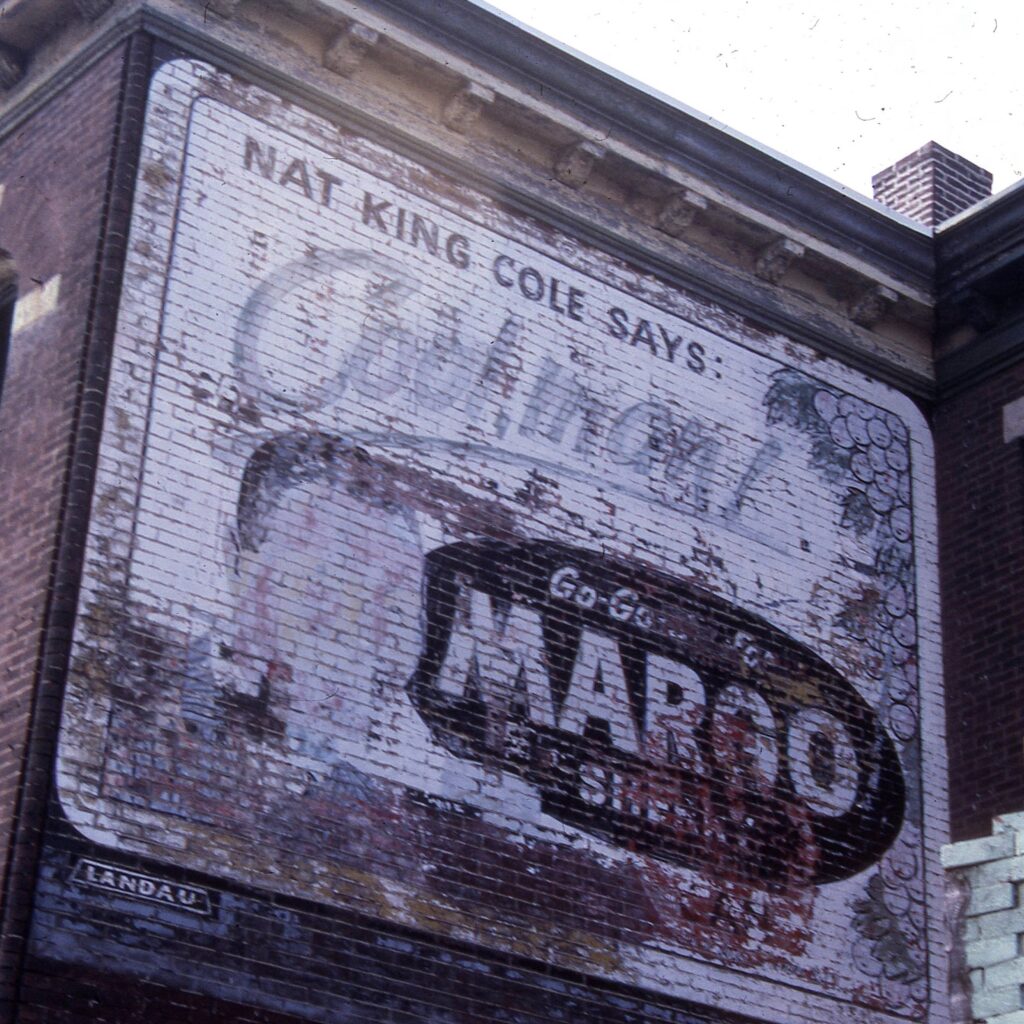
In the 1930s, a nationwide push to modernize main street store facades was begun, encouraged by New Deal policies and the emerging popularity of streamline modern design. When the economy exploded after WWII, this design trickle led to a torrent of storefront modernization. Striking storefronts were constructed in every corner of mid-century Philadelphia, largely designed by
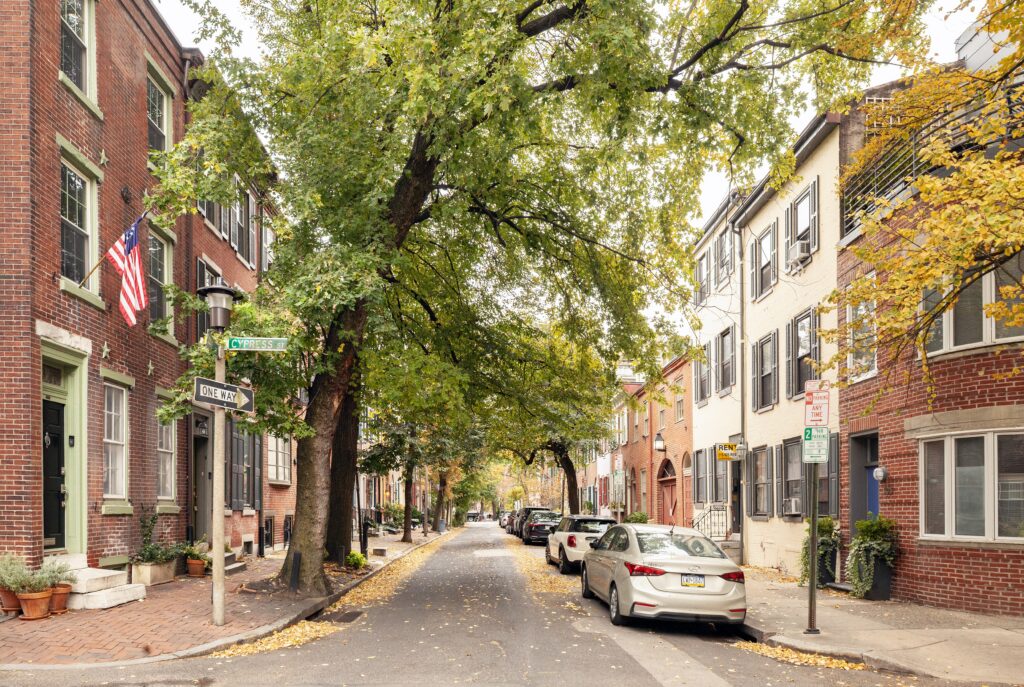
Through our Advocacy and Legal Defense Fund, we are able to respond quickly to emerging threats, support preservation-friendly public policy, and ensure that historic places play a role in critical decisions.

Join WURD Radio for the debut of our newest podcast, Freedom Journeys: Sacred Places, exploring the historic spaces that anchor Black Philadelphia’s story, which is produced in partnership with the Preservation Alliance.

Welcome to Philly’s Historic Social Clubs Unveiled, a look behind the unmarked doors and stately facades of the city’s private clubs, many of which are rarely open to the public. On this self-guided, open-house tour, you will see how six institutions have navigated the challenges of the modern era, preserving some of the city’s most significant architecture while opening their doors to continue their legacies.

This walking tour will feature homes and gardens found within the Tulpehocken Station Historic District, one of Philadelphia’s first ‘suburban’ neighborhoods. Featuring properties dating from the late 1840s through the 1880s, it’s your opportunity to see some of Philadelphia’s finest examples of Victorian eclecticism, Gothic revival, Italianate revival, Queen Anne, Tudor revival, Second Empire and

