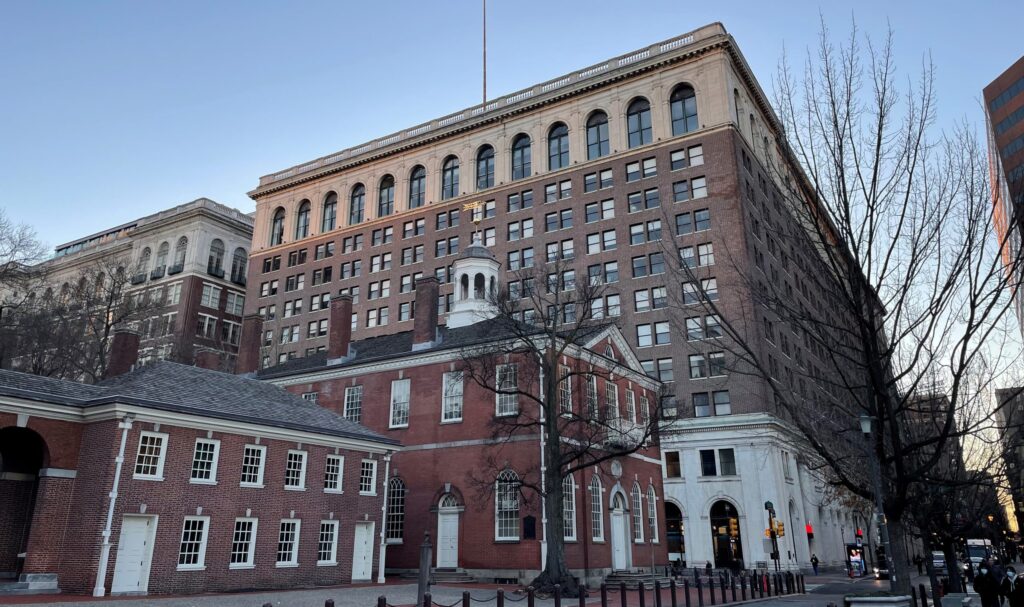
presented by Inga Saffron Philadelphia, like other big American cities, was once home to dozens of print newspapers. These papers exhibited a strong pack mentality (much like journalists themselves), and set up their offices in close proximity to one another, often on the same block, forming distinct media enclaves or newspaper rows. Other industries –
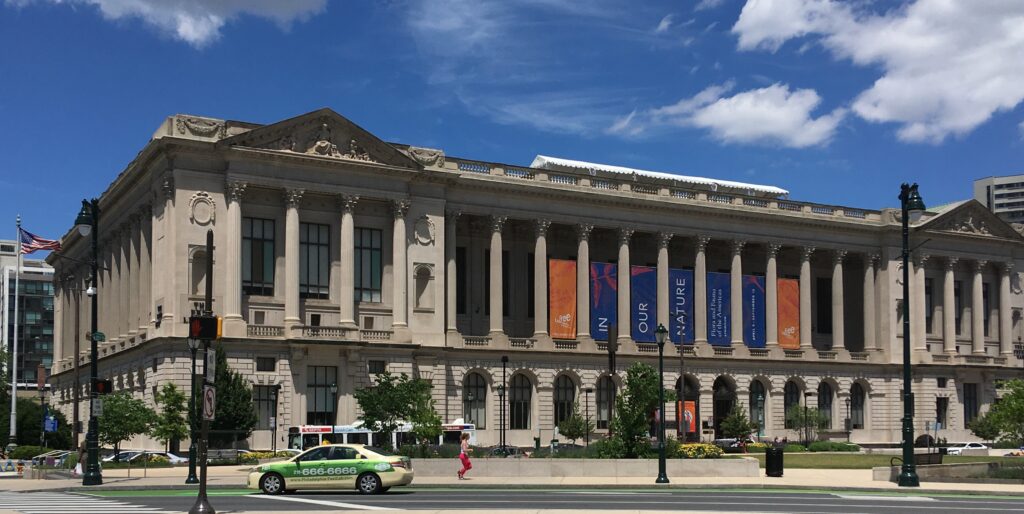
presented by David Brownlee, Ph.D., FSAH Horace Trumbauer of Philadelphia was the most enigmatic architect of America’s “Gilded Age.” Although he left school when he was 14, by the time he was thirty, he had built palatial homes for some of the nation’s wealthiest families, and his office would produce more than 800 designs over
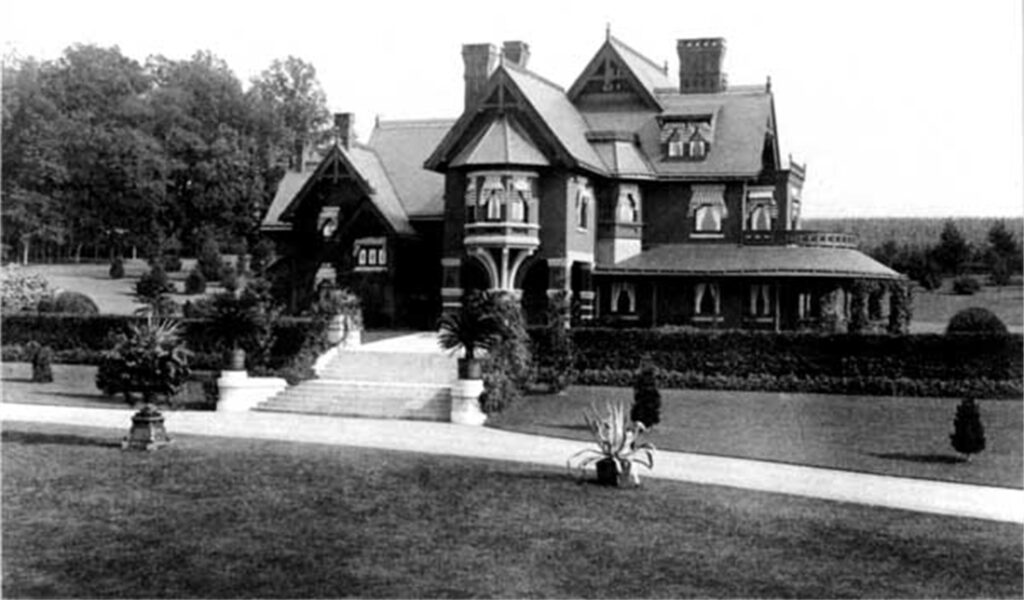
presented by Jeffrey A. Cohen In the late 1880s, two serial entrepreneurs took on the unexpected project of making a visual record of Philadelphia’s suburban homes. In the abstract that would be no small task, the pair, Joseph Lewis Wells and John Ferguson Hope, commissioned large photographs of houses of individualized and venturesome design, most of
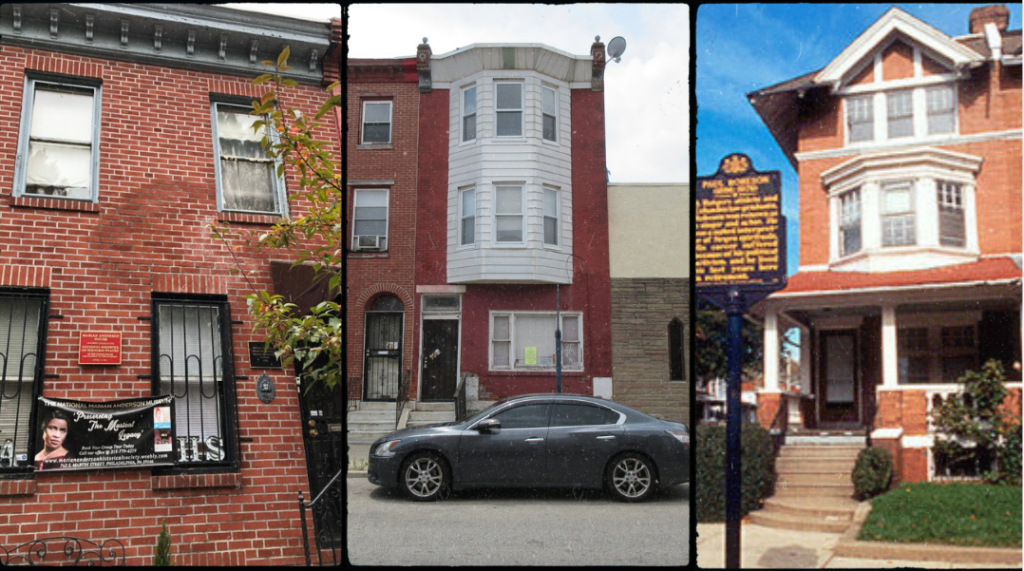
Former Philadelphia Mayor Michael Nutter will moderate a panel discussion with the leaders of three Black heritage sites, the Marian Anderson, Henry Ossawa Tanner and Paul Robeson houses, which are each in the midst of renovations to both their physical spaces and their programmatic activities. All proceeds from this panel discussion will be donated to
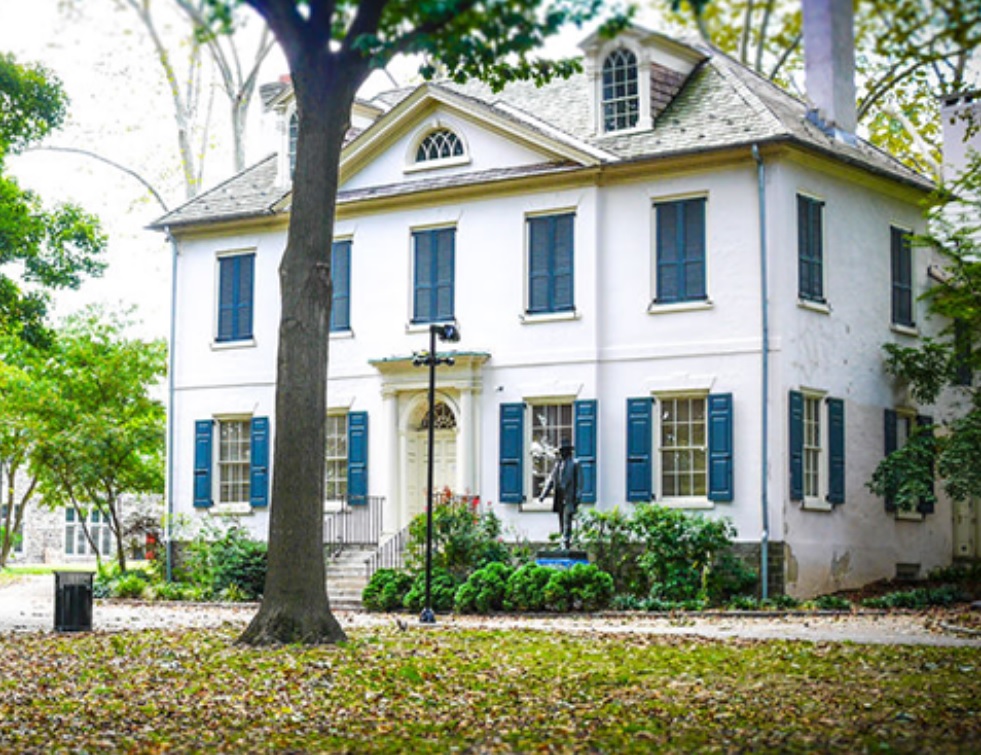
presented by Supreme Dow and Tuomi Forrest. More details coming soon!
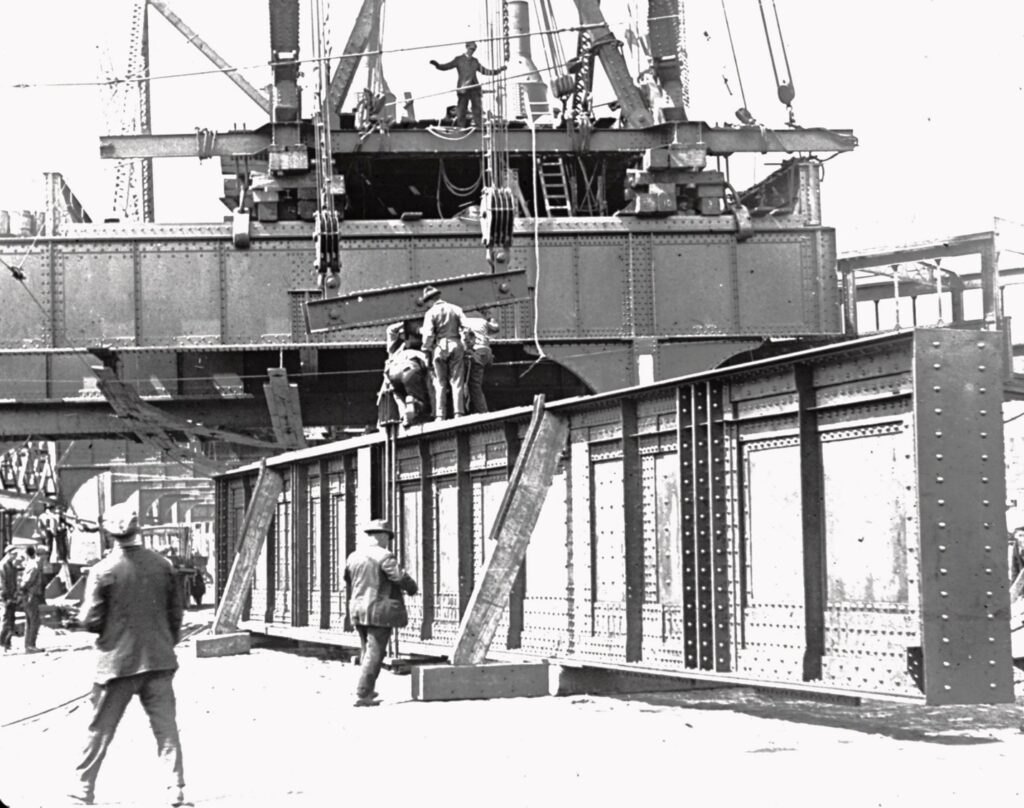
The roadway we now know as Frankford Avenue had its origins as a Lenape Indian trail. However, the English were not the first Europeans to settle in what is now Frankford, with the Swedes having earlier set up mills along the creek. English colonization, led by the Quakers, eventually resulted in the Lenape Indian trail
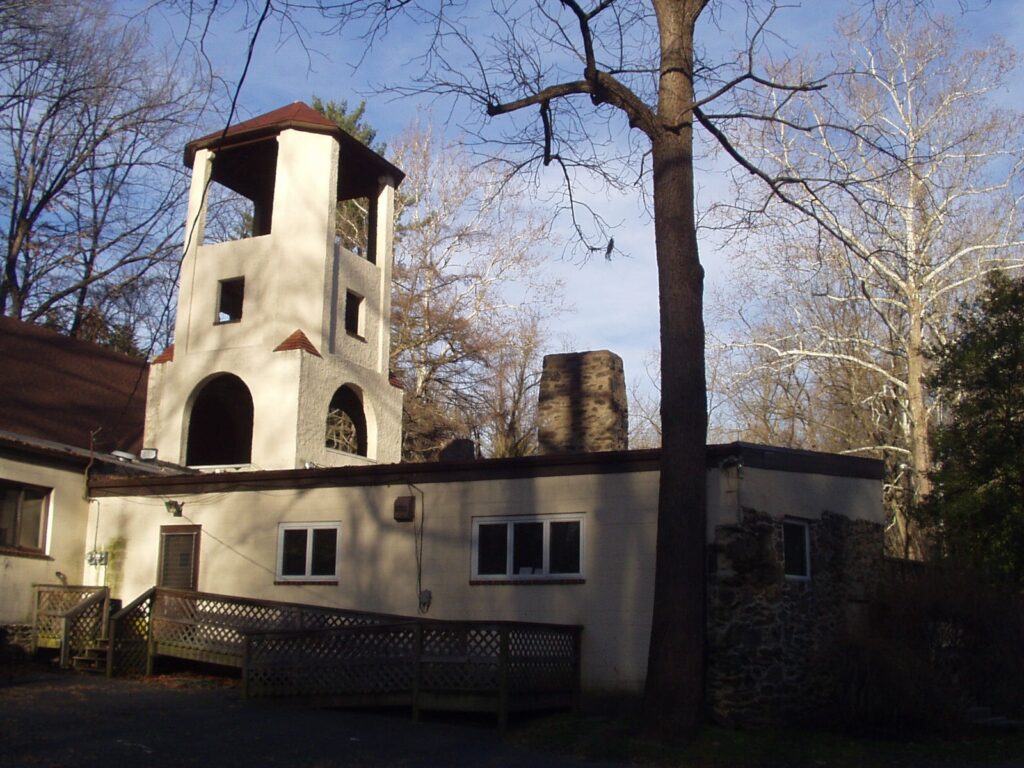
In 1901, Philadelphia architect William Price and a cohort of like-minded friends purchased eighty acres of land surrounding what had been Rose Valley Mills in Delaware County. Their primary focus was to design and construct a new community based on the principles of the Arts and Crafts movement, specifically the relationship of men to their
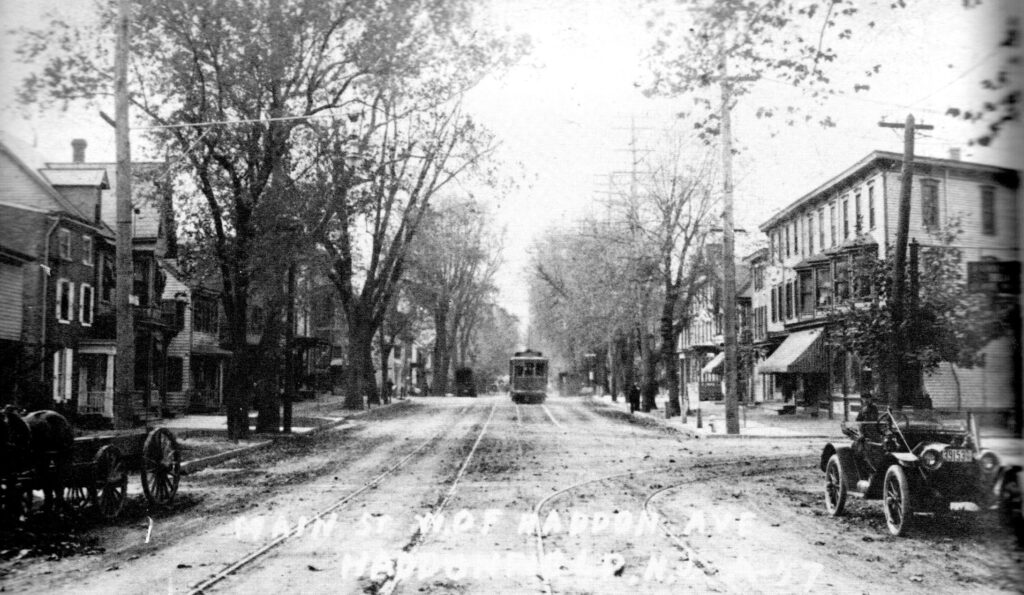
Haddonfield was founded in the early 18th century by Elizabeth Haddon, as a community where Quakers could worship and live in peace. Haddonfield quickly grew into the largest town in southern New Jersey and the market town for the region. The town became a reluctant host to both the British and patriot armies during the
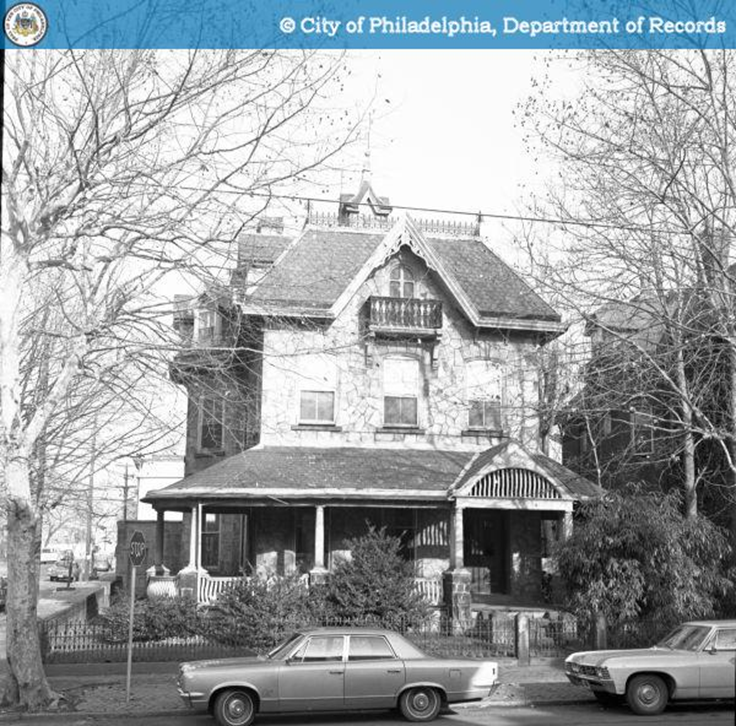
The Powelton Village Historic District, comprised of over 900 properties, was added to the Philadelphia Register of Historic Places in November 2022. District nominations are not meant to be comprehensive neighborhood histories, and yet much social history must be understood to make sense of the development history, and vice versa. This talk will look mainly
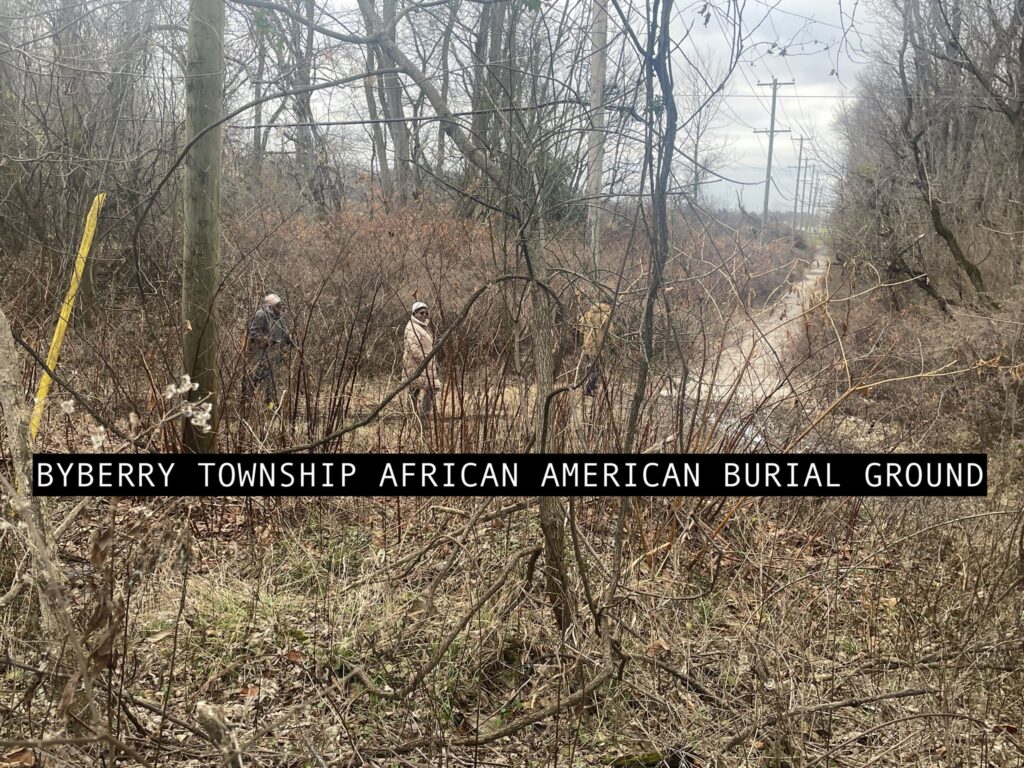
There is an unmarked and overgrown African American burial ground located in Byberry Township in northeast Philadelphia. Originally, the name of this site was The Burying Place For All Free Negroes or People of Color within Byberry. The name has since been changed to The Byberry Township African American Burial Ground. This presentation will discuss