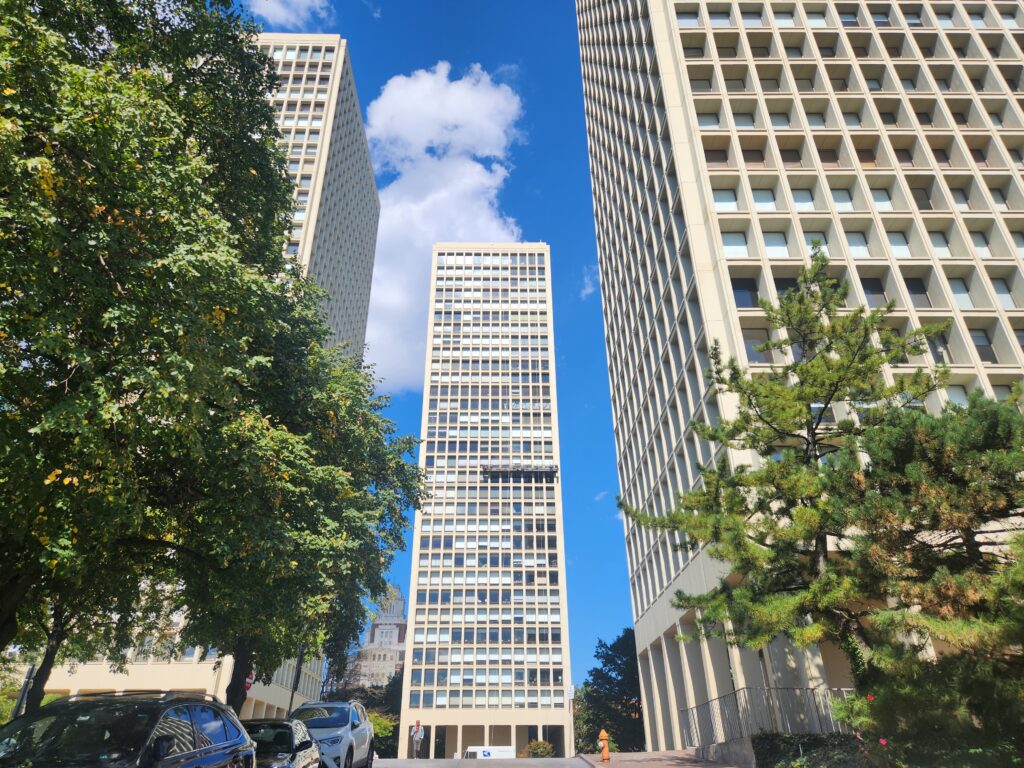
Presented by Steve Baron The Society Hill Towers are marking their 60th anniversary as a neighborhood landmark, with three 31-story Modernist concrete towers rising over low-rise colonial Society Hill. This talk willtrace the evolution of Society Hill, from the early site of the Free Society of Traders, to the mid-20th century site of the Washington
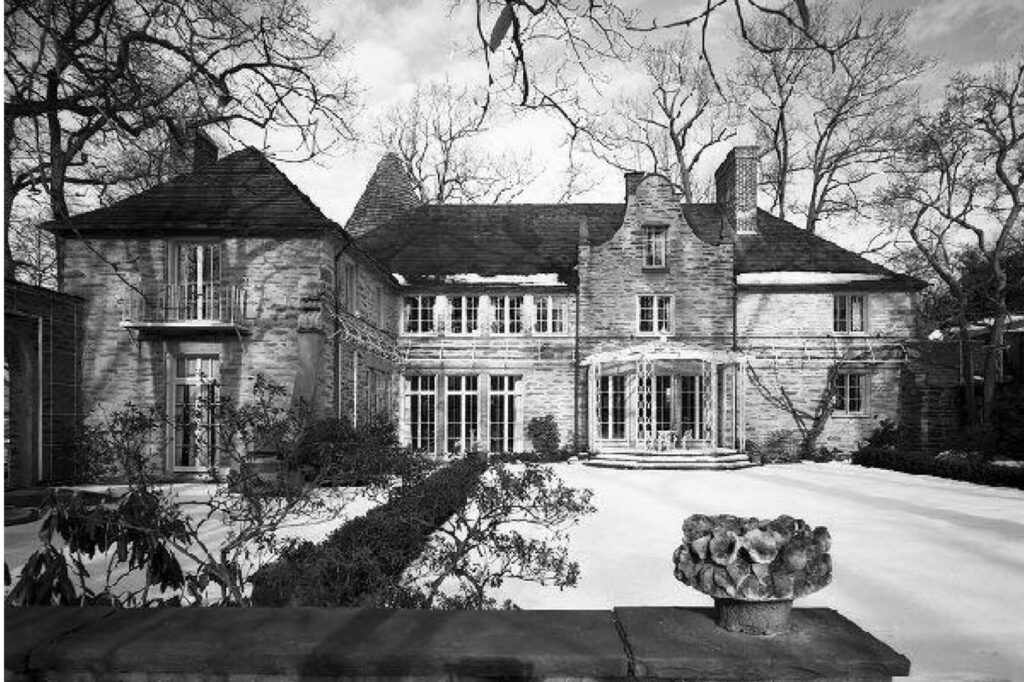
Presented by Spencer Rubino Northwest Philadelphia, and the neighboring environs of Montgomery County and Delaware County, encompass a unique cultural identity. This identity is expressed through the regional architecture that was forefronted by developer Dr. George Woodward and the residential architects of the neighborhood around St. Martin’s Episcopal Church in Chestnut Hill at the turn
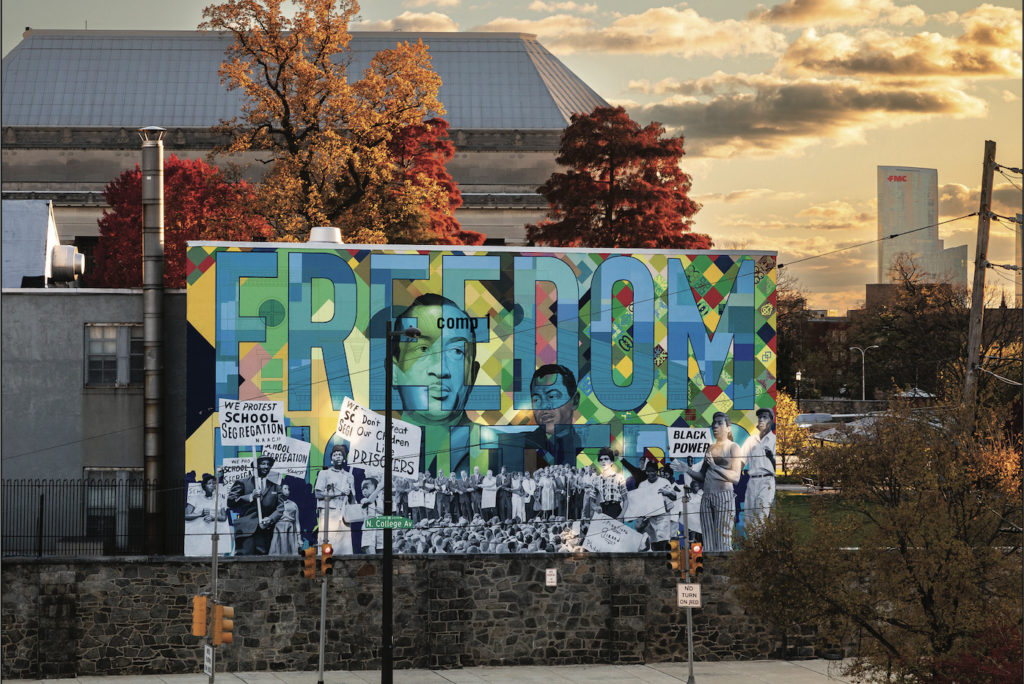
Presented by Amy J Cohen In this richly illustrated presentation, author Amy Jane Cohen will examine the many ways in which history is acknowledged in our built environment. Her talk will focus on the historical importance of Christian Street in the Black Philadelphia experience. She will describe the history of the First African Baptist Church
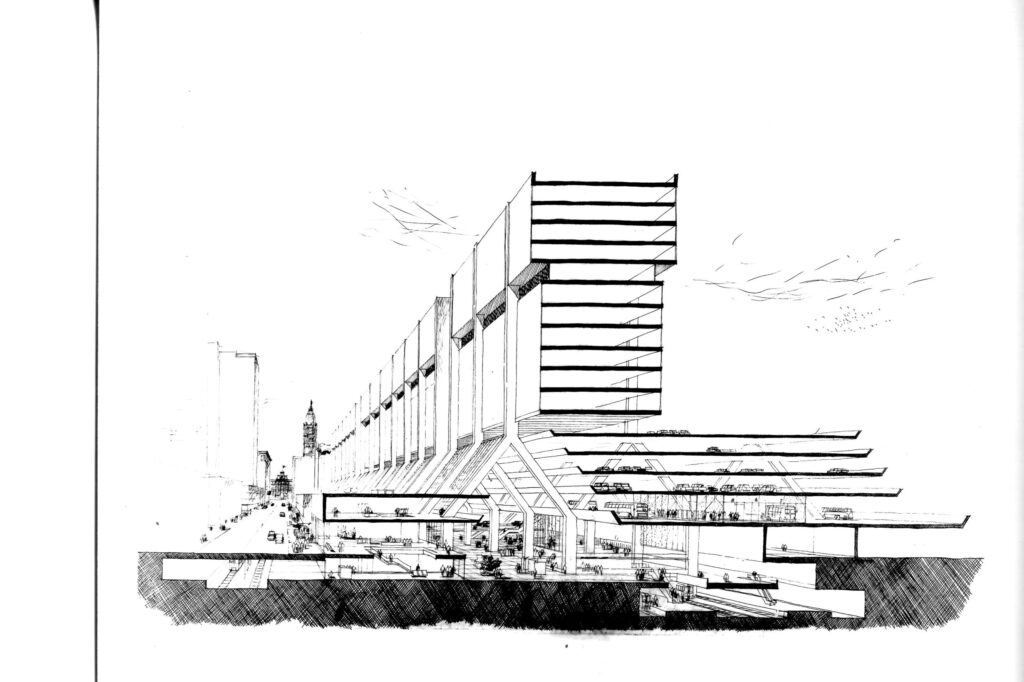
Presented by John Andrew Gallery The revitalization of East Market Street and the construction of the commuter rail tunnel were Philadelphia’s most expensive urban renewal projects in the late 20th century. The planning of the project extended over 25 years before the second and final phase was completed. During that period many prominent architects contributed
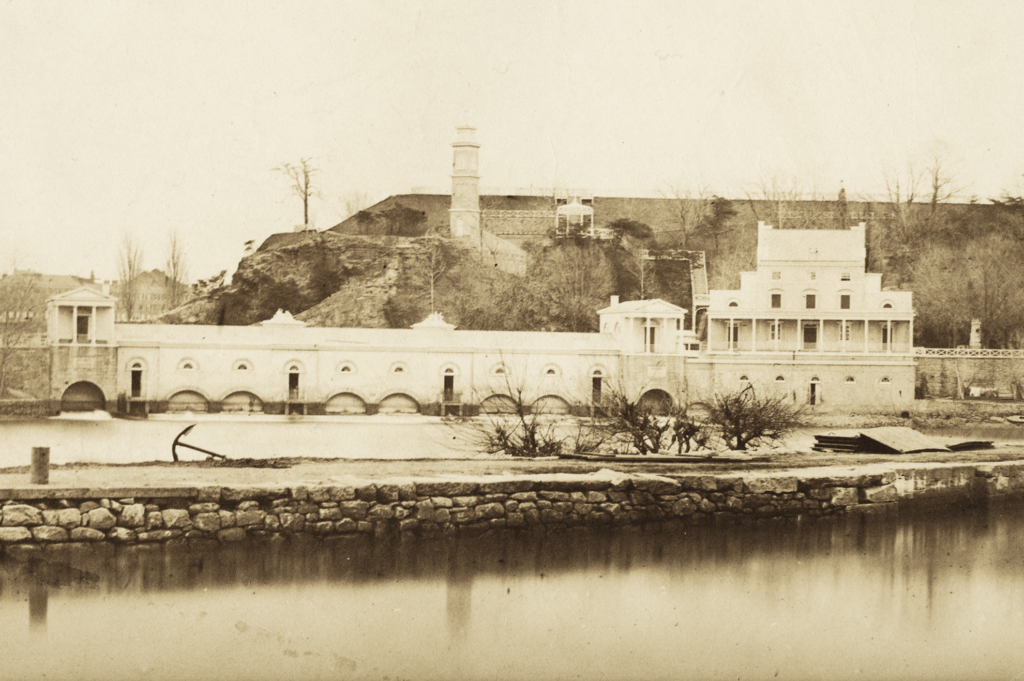
Presented by A. Leonard Pundt The Fairmount Water Works was once the most visited place in America after Niagara Falls. Many famous people stopped there and left a record of their impressions. When and why was this famous Philadelphia landmark built? What problems was it meant to solve? Why was it shut down? How has
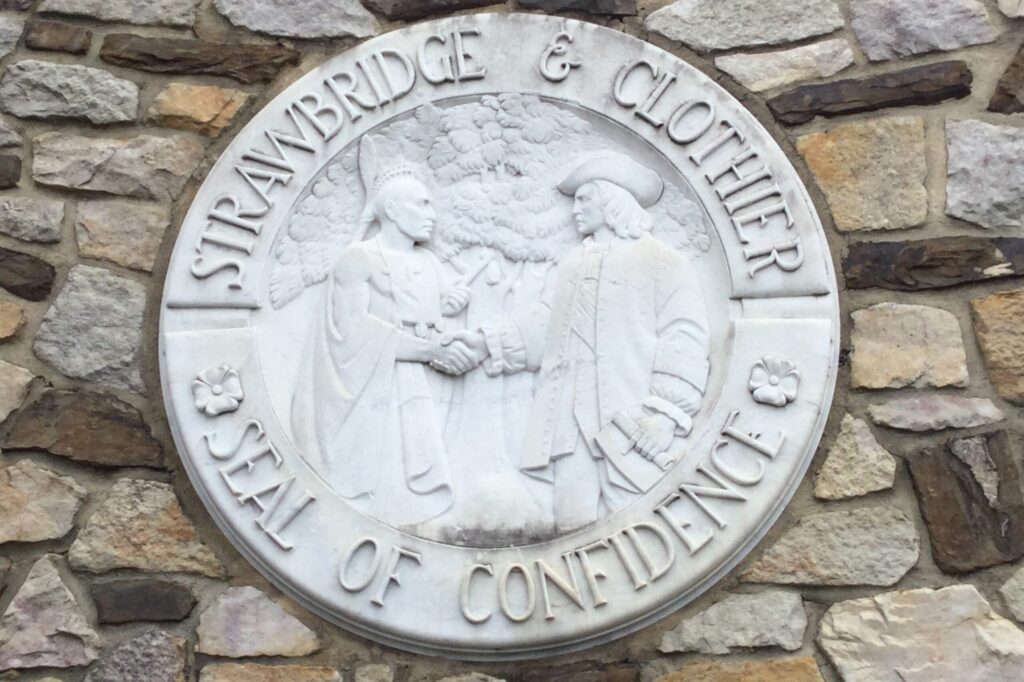
Presented by Michael Lisicky John Wanamaker, Strawbridge & Clothier, Gimbels, Lit Brothers, Snellenburgs. Take another trip down Market Street and revisit these great emporiums that once defined Philadelphia’s mighty shopping thoroughfare. Each of these five businesses catered to specific clienteles and each department store played important roles in the city’s cultural fabric, with their special